Search business plans, case studies, industries and articles.
Business Funding
How to Write a Business Plan
· 118 min read
Part 10 of 15 · Sector playbooks
Part 10: What Changes by Industry
The structure of a business plan is universal. The evidence is not. This part sets out, sector by sector, the licences funders check, the metrics they benchmark, the risks they probe, and the single thing that most often sinks an application in that industry.
Use this part as a checklist against your draft. If your plan does not address the “most common fatal gap” for your sector, it is not finished.
Chapter 58Sector playbooks
Agriculture and agro-processing
Element
What funders require
Land and tenure
Title deed, long lease, PTO or communal tenure arrangement — with security of tenure at least as long as the loan
Water
Water use licence or registered entitlement, borehole yield tests, irrigation design
Agronomics
Soil analysis, yield assumptions benchmarked to district averages, crop calendar, input schedule
Offtake
Signed offtake or market agent arrangement; commodity price assumptions with a stated source
Risk
Crop insurance, drought and hail cover, disease protocols, biosecurity
Metrics benchmarked
Yield per hectare, cost per hectare, gross margin per hectare, stocking rate, mortality rate, feed conversion ratio
Most common fatal gap
Yield assumptions above district norms with no agronomic justification — and no seasonal working capital for the gap between planting and payment
Mining, mining services and beneficiation
Element
What funders require
Rights and permits
Mining right or permit, prospecting right, environmental authorisation, water use licence, rehabilitation guarantee
Resource
Competent person’s report; resource and reserve classification (SAMREC)
For service providers
Mine vendor accreditation, safety record, MHSA compliance, contract term and scope
Metrics
Cost per tonne, recovery rate, strip ratio, availability and utilisation of equipment, LTIFR
Most common fatal gap
For suppliers: dependence on one mine with a contract shorter than the asset finance term. For miners: rehabilitation liability not funded
Manufacturing
Element
What funders require
Capacity
Machine specifications, throughput per shift, planned utilisation, bottleneck analysis
Costing
Bill of materials per unit, labour minutes per unit, scrap rate, energy per unit
Compliance
SABS or relevant standards, factory licensing, occupational health and safety, environmental permits
Localisation
Import replacement value, local content percentage — central to IDC and dtic support
Metrics
Overall equipment effectiveness, unit cost, scrap %, order-to-delivery lead time
Most common fatal gap
Forecast volumes exceeding installed capacity with no capex for the second machine; and understated energy cost
Cost per kilometre built up from fuel, tyres, maintenance, tolls, insurance, driver cost, and finance
Utilisation
Loaded versus empty kilometres, backhaul strategy, trips per vehicle per month
Metrics
Cost per km, revenue per km, utilisation %, fuel consumption (l/100km), maintenance cost per km, fleet age
Most common fatal gap
Underestimating maintenance and tyre cost, and financing vehicles over a term longer than the contract that pays for them
Healthcare, day care and education
Element
What funders require
Registration
HPCSA or SANC registration, Department of Health licence, ECD registration and DSD compliance, Department of Basic Education or DHET registration and Umalusi accreditation
Premises
Zoning for the use, health and fire clearance, prescribed space per child or learner, ablution ratios
Revenue model
Medical aid tariffs versus cash, subsidy per child, fee structure, collection rate and bad debt
Metrics
Occupancy or enrolment %, revenue per patient or learner, staff-to-child ratio, collection rate
Most common fatal gap
Fee collection rates modelled at 100%. In private schooling and day care, 85–93% is realistic and the difference is your entire margin
Renewable energy and energy services
Element
What funders require
Permitting
NERSA registration where required, grid connection or wheeling agreement, municipal approval, environmental authorisation
Technical
Yield study (irradiation or wind resource), EPC contract, warranty and O&M terms, equipment tier
Offtake
Power purchase agreement with term, tariff, escalation and creditworthy counterparty — the single most important document
Metrics
LCOE, capacity factor, performance ratio, availability, degradation rate, DSCR through the PPA term
Most common fatal gap
No bankable PPA. Without a signed offtake with a creditworthy counterparty, a generation project is not project-financeable
Compliance with the applicable minimum wage, overtime, PPE, training — the largest cost and the largest risk
Metrics
Gross margin per site 25–40%, labour as % of revenue, contract retention rate, cost per square metre
Most common fatal gap
Bidding below the compliant labour cost. If your price cannot fund the sectoral minimum plus statutory contributions, the contract is a loss-maker and funders will spot it
Tourism, franchising and social enterprise
Element
What funders require
Tourism
Grading, seasonality profile with monthly occupancy, source-market mix, booking channel costs (OTA commissions of 15–20%)
Franchising
Franchise agreement, disclosure document, franchisor support terms, territory rights, initial and ongoing fees, franchisor’s own financials
Social enterprise
Theory of change, impact metrics and how they are measured, blended revenue model, and honesty about which activities are subsidised
Most common fatal gap
Tourism: annualising peak-season performance. Franchising: not modelling the royalty and marketing levy. Social enterprise: an impact narrative with no commercial engine underneath
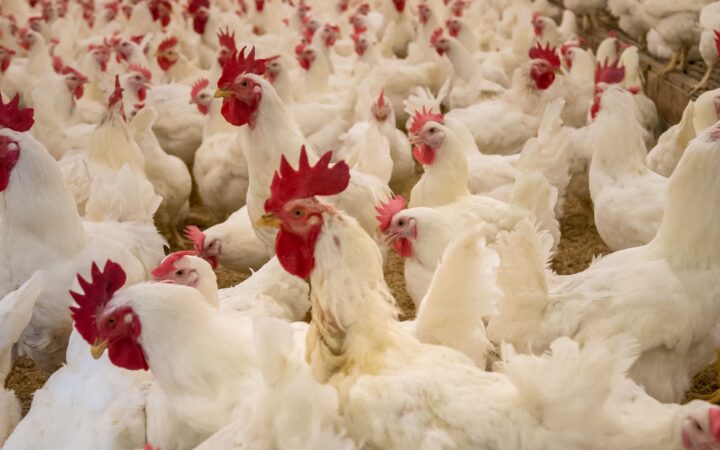
How to write a poultry broiler farming business plan in South Africa: the twelve-section structure, a complete worked financial model with cost per bird…
Working capital in South Africa 2026: how to size your requirement, the eleven sources from supplier credit to invoice discounting, a table that converts…
Funding for farmers in South Africa 2026: CASP and Ilima/Letsema grants, the Blended Finance Scheme, Land Bank, the Agro-Energy Fund, Mafisa, commercial banks and…